 HTrace Ambient Occlusion
HTrace GTAO vs. HDRP GTAO
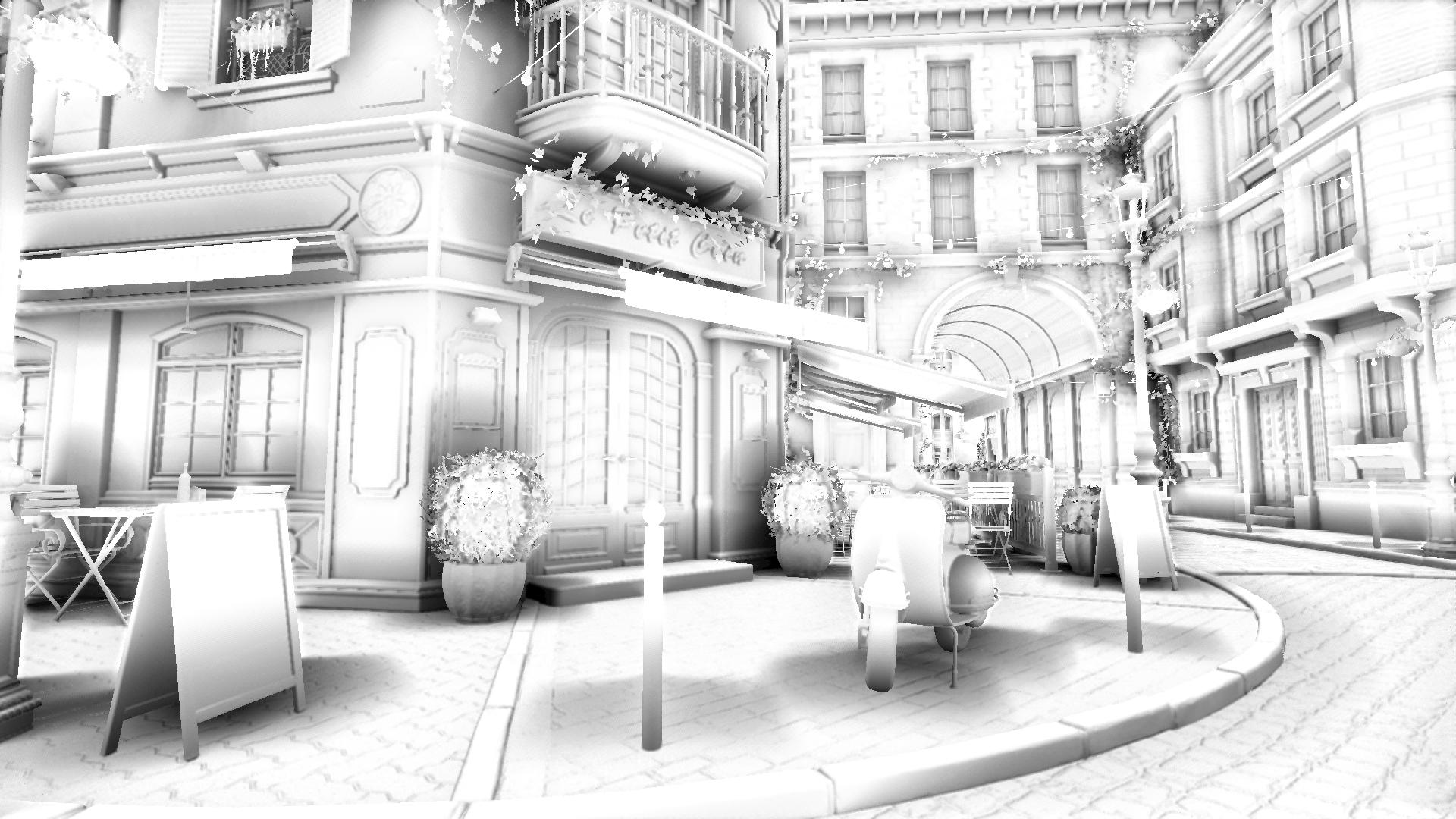
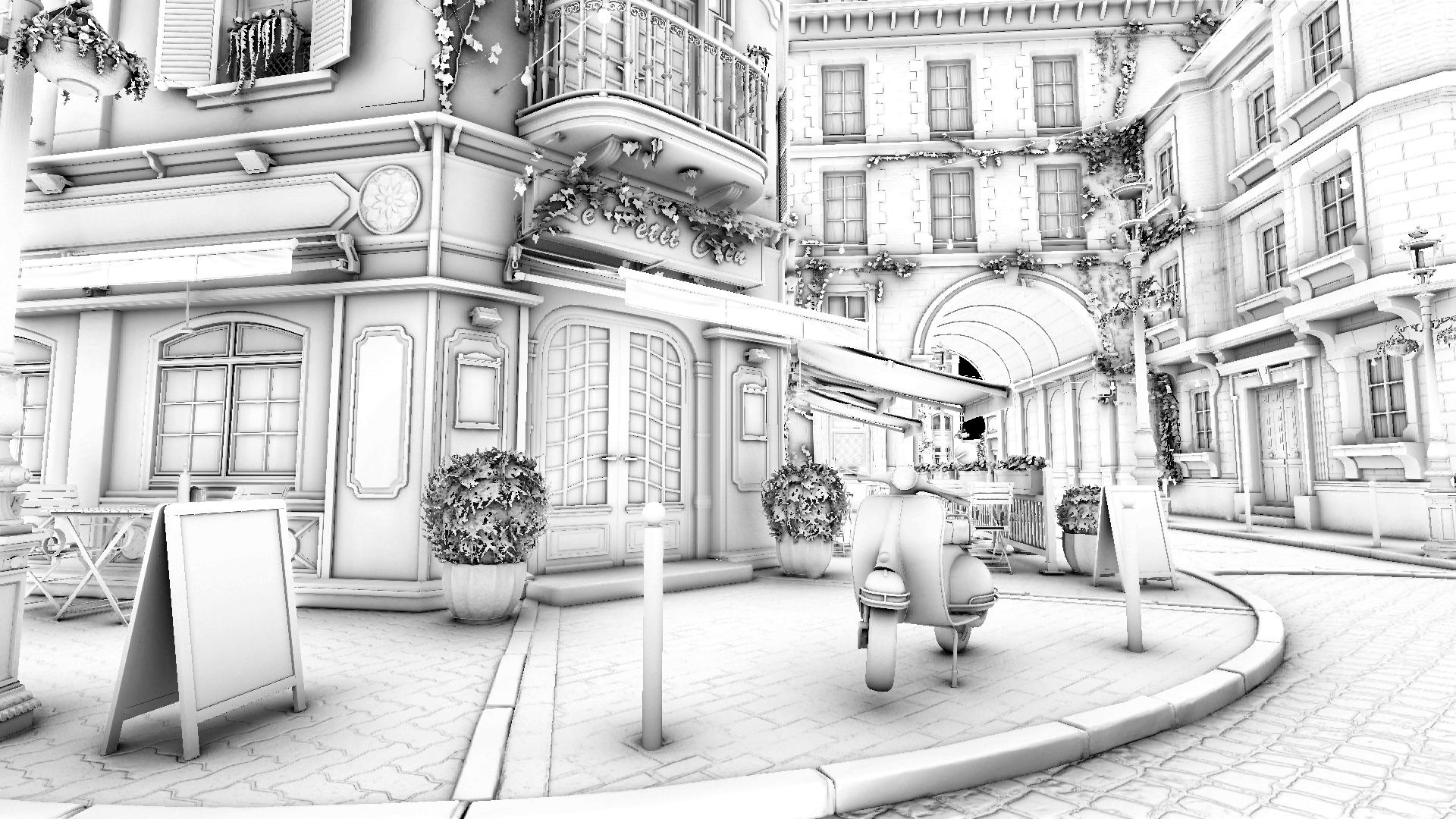
The following comparison is performed in the HDRP Demo Scene on a laptop RTX 3060 6GB, 1920 x 1080 native.
Overall Quality
HDRP's screen-space ambient occlusion features a GTAO (Ground Truth Ambient Occlusion) algorithm similar to the one used by HTrace. However, it's based on the original implementation rather than the more recent versions and doesn't include major updates to the technology, such as Visibility Bitmasks.
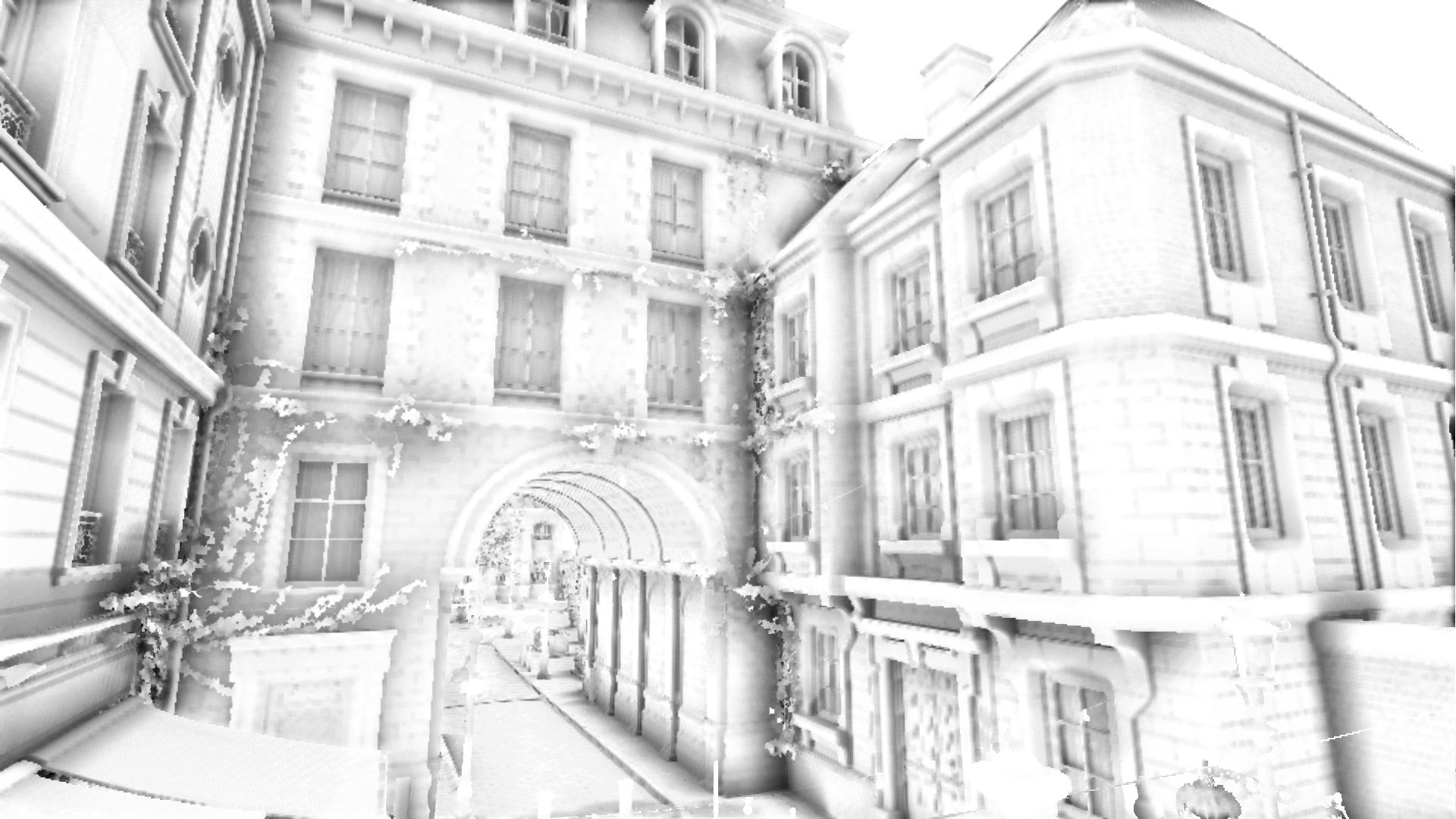
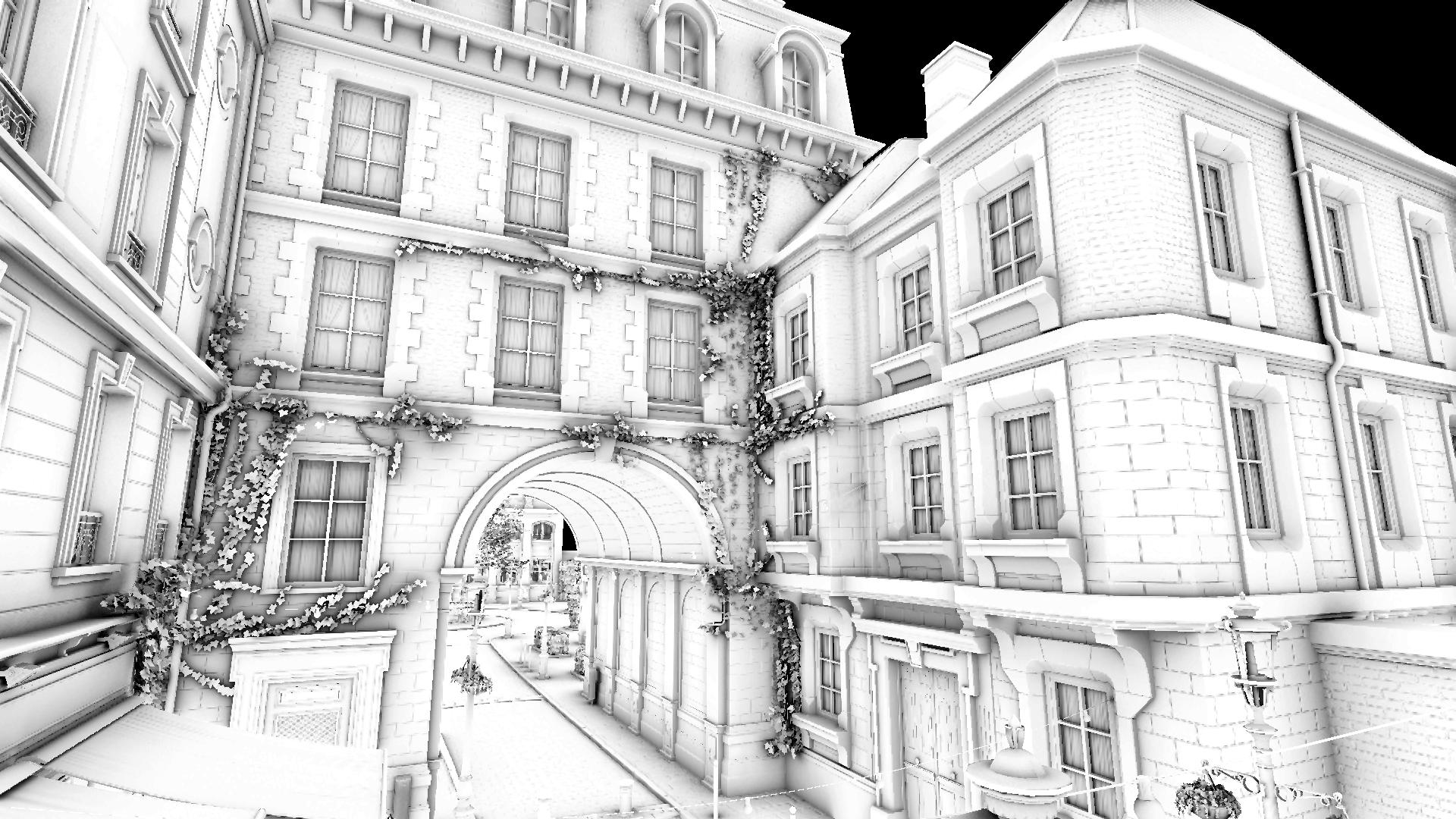
For the following 2 screenshots, both algorithms were tuned to match in total sample count:
- HDRP GTAO uses 1 slice x 2 directions x 32 steps = 64 samples in total.
- HTrace GTAO uses 2 slices x 2 directions x 16 steps = 64 samples in total.
.png)
.png)
Peak Quality
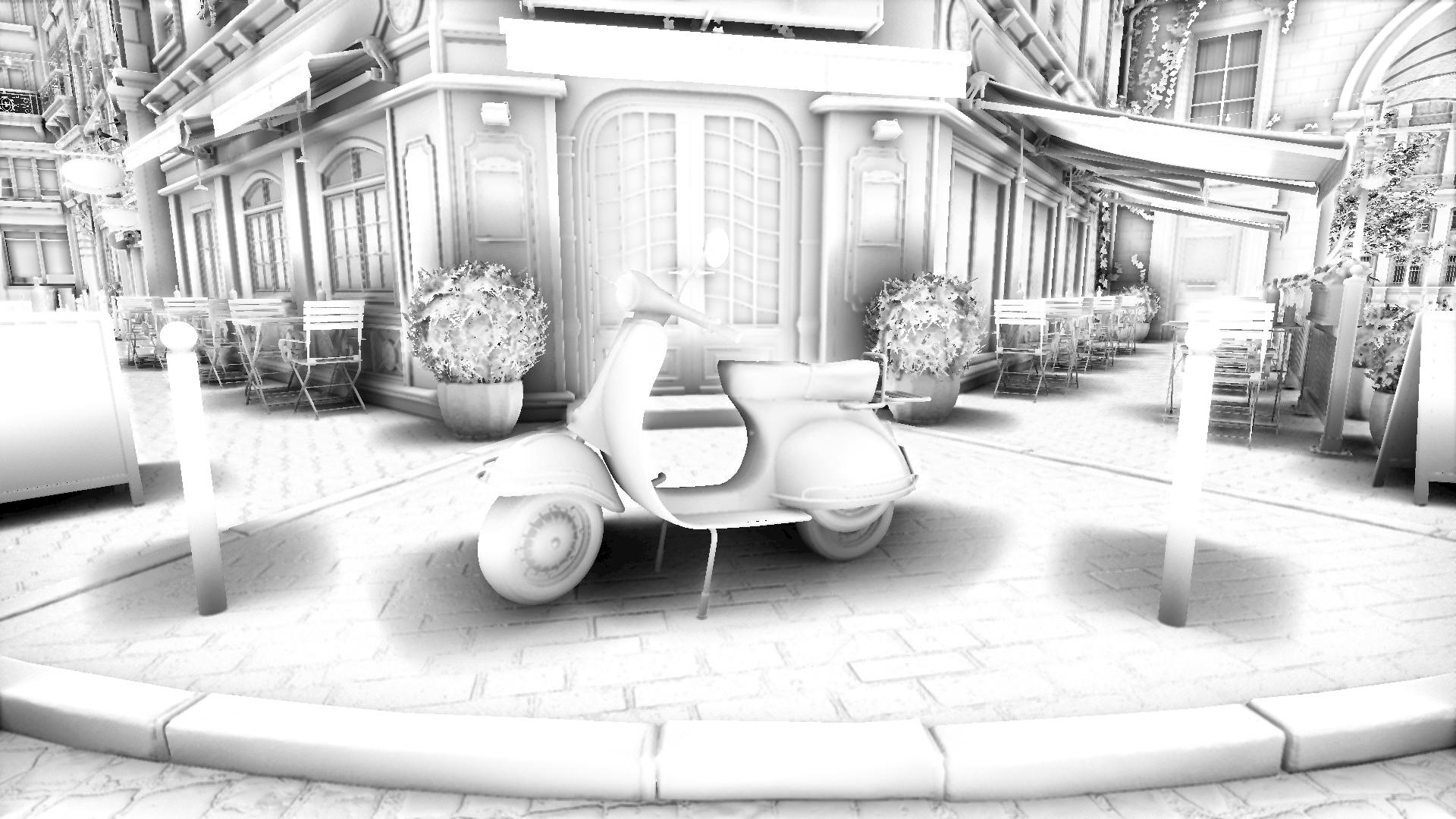
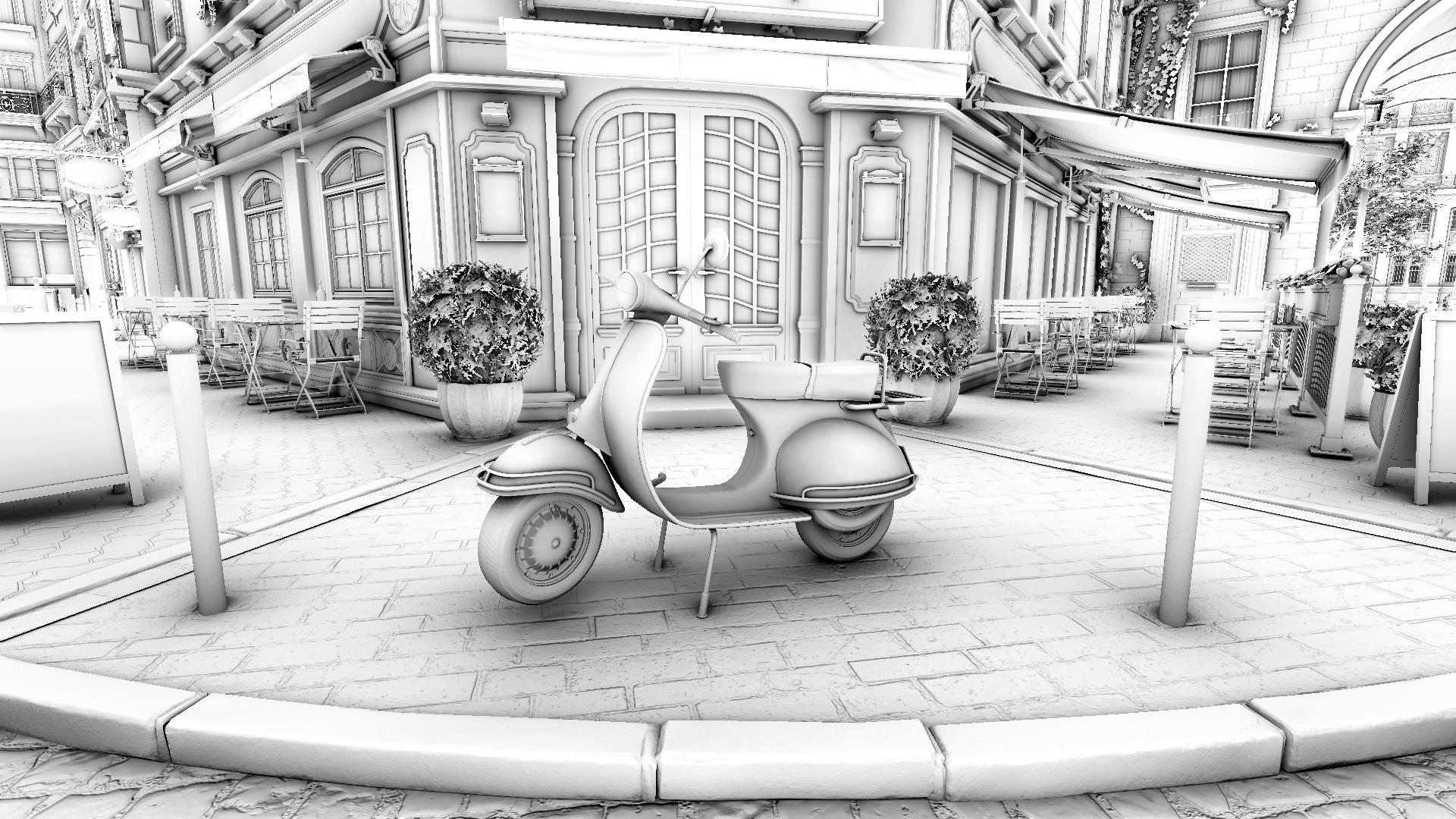
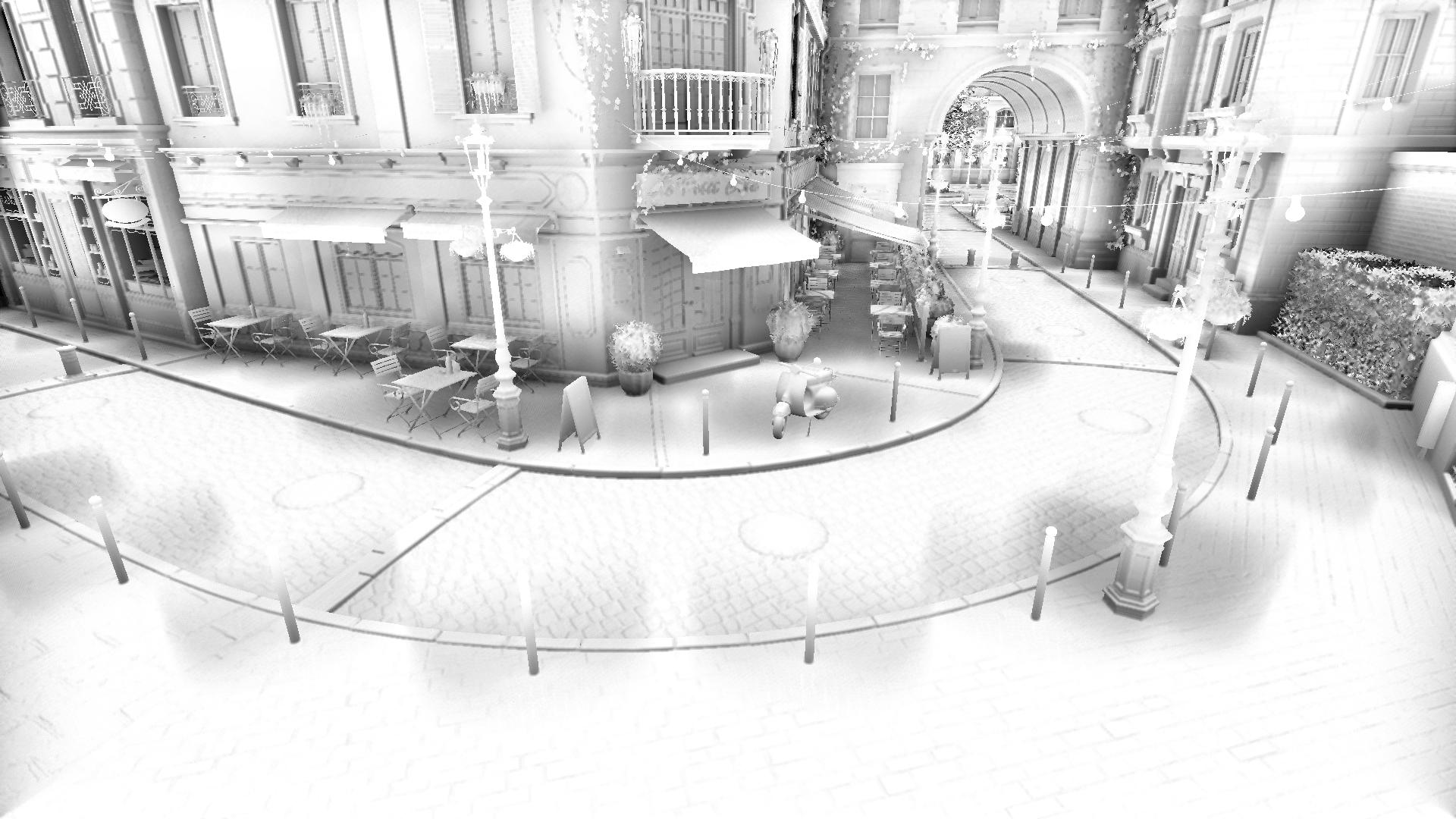
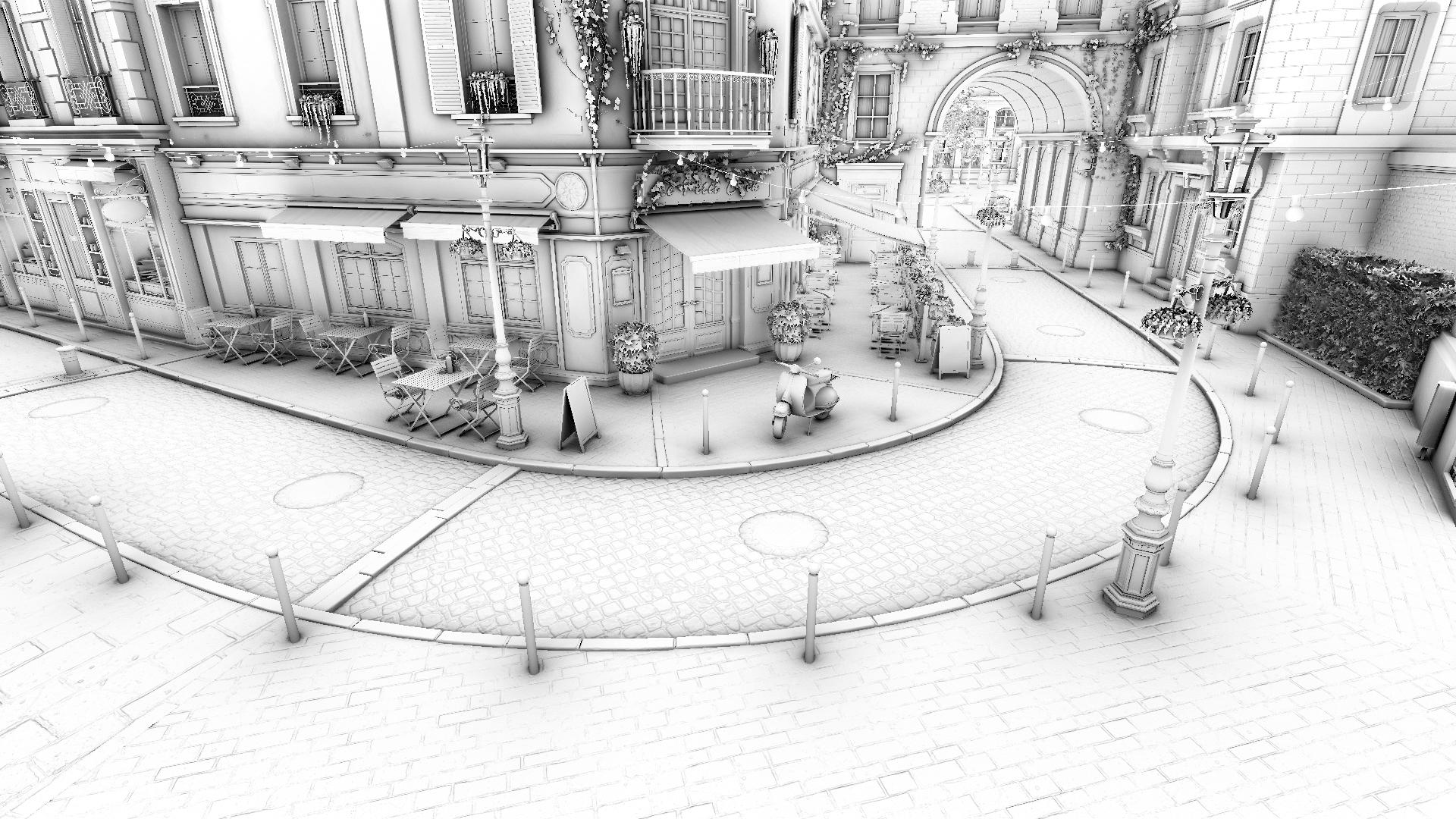
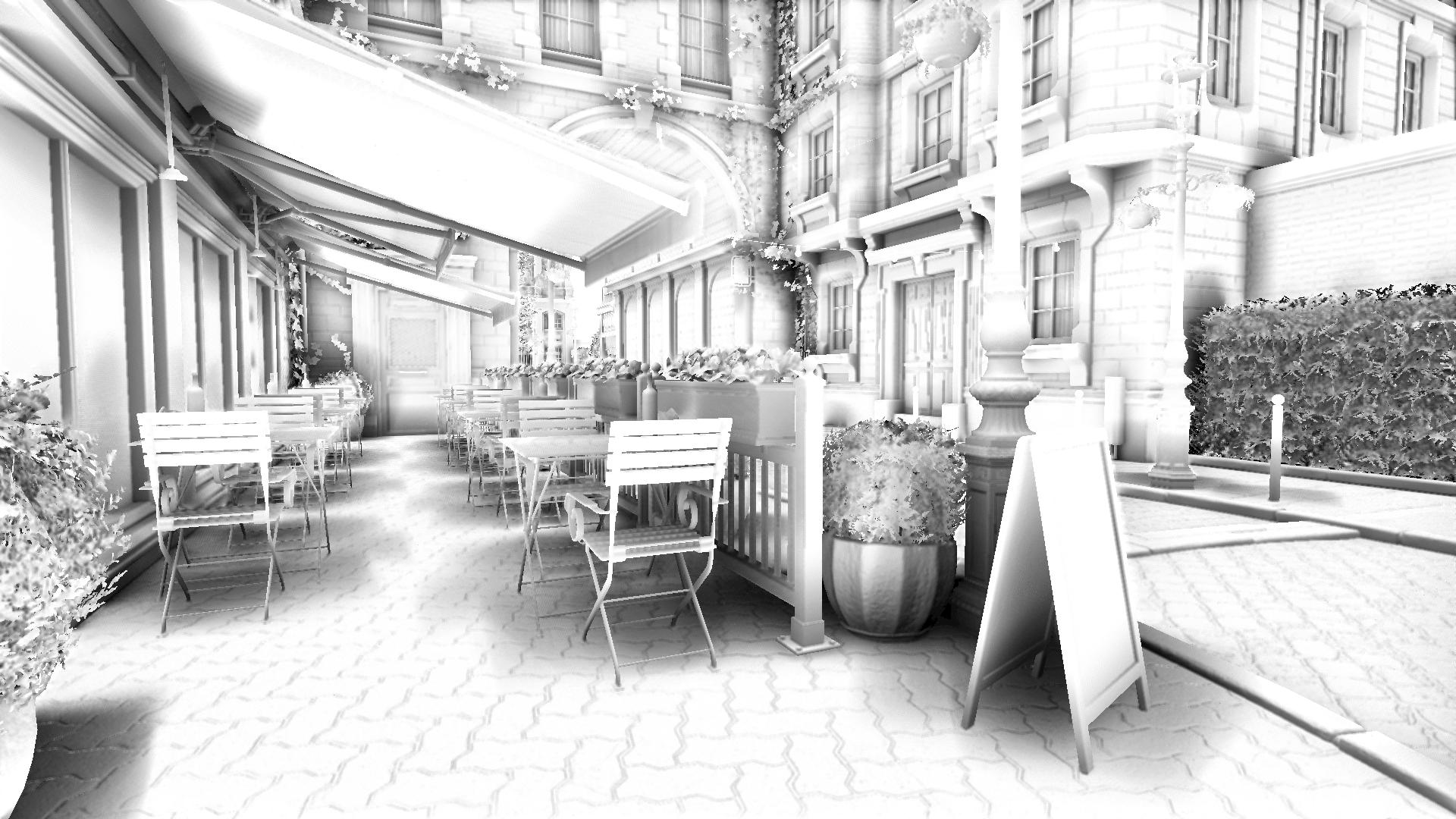
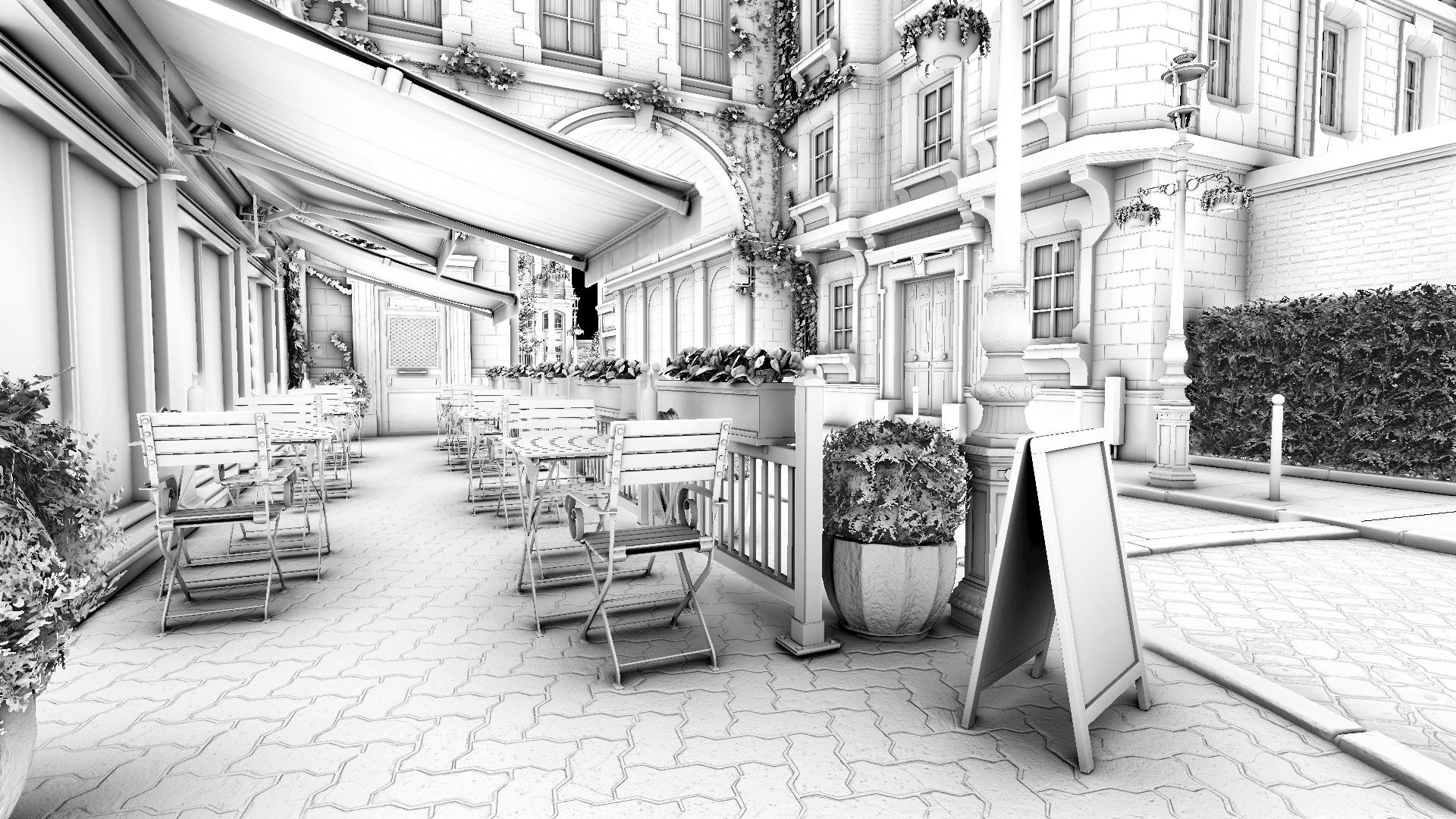
HDRP GTAO doesn't scale well in terms of tracing and denoising quality. As a result, even when performance or resolution are not limiting factors and higher quality is desired, it isn't always achievable with HDRP's occlusion. HTrace GTAO offers higher scalability, providing much better visual results.
HDRP GTAO is set to the "High" preset here, while HTrace GTAO uses its medium to high settings.
Thickness Heuristic
As with most screen-space algorithms, GTAO is not aware of object thickness and treats the depth buffer as infinitely thick by default. Therefore, different thickness heuristics have been proposed to overcome the issue of thin objects' overocclusion. More about this problem can be read here. One of the most influential contributions to this field was made by visibility bitmasks research, which allowed horizon-based algorithms (such as HBAO and GTAO) to evaluate visibility with much better accuracy, significantly bridging the gap with RTAO. This approach was adopted by HTrace GTAO.
Unfortunately, HDRP GTAO hasn't been augmented with any thickness heuristic at all. This results in very poor evaluation of thin objects (e.g., fences, bars), which degrades even further as the effect's radius grows.
Small Details and Denoising
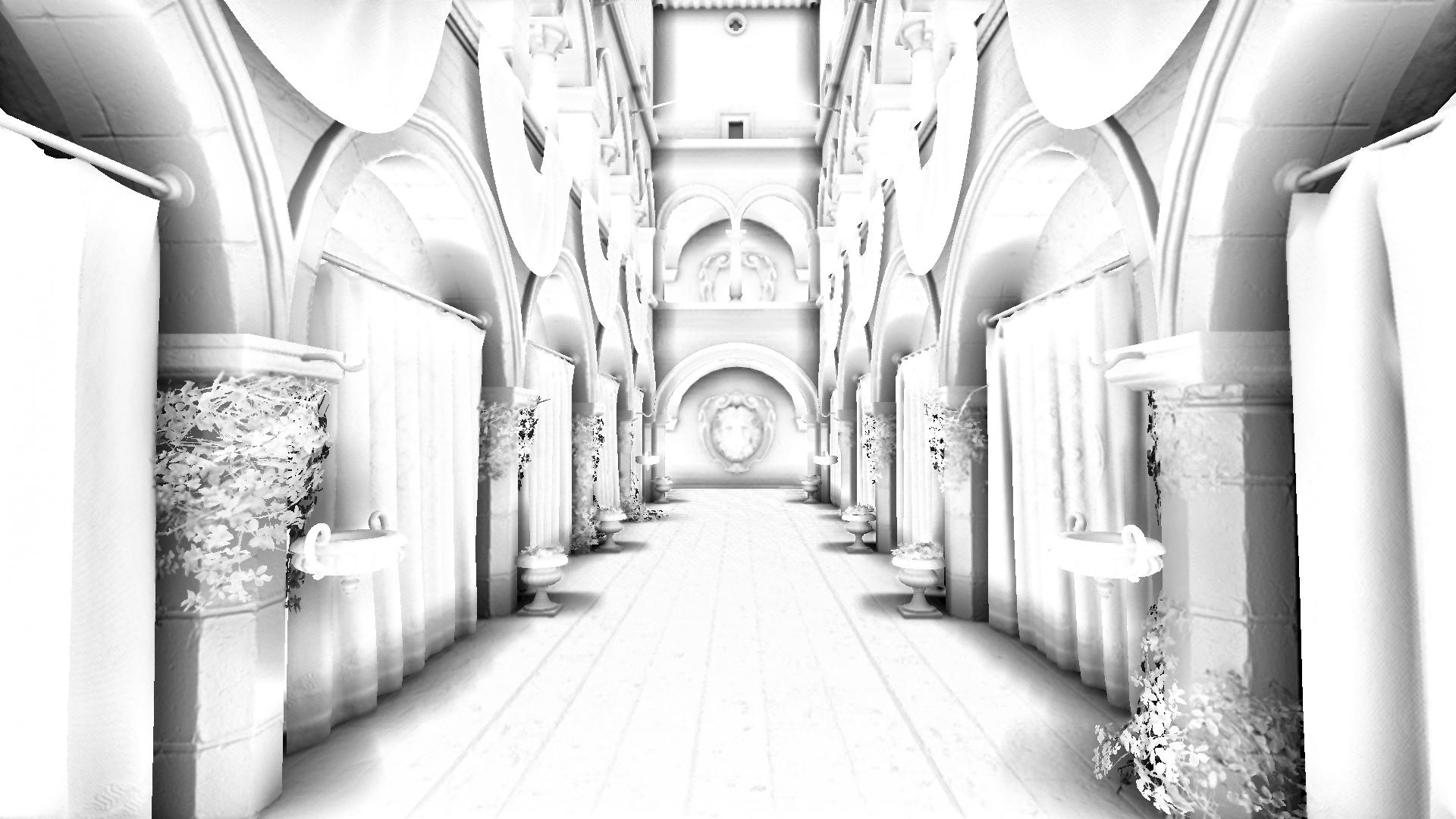
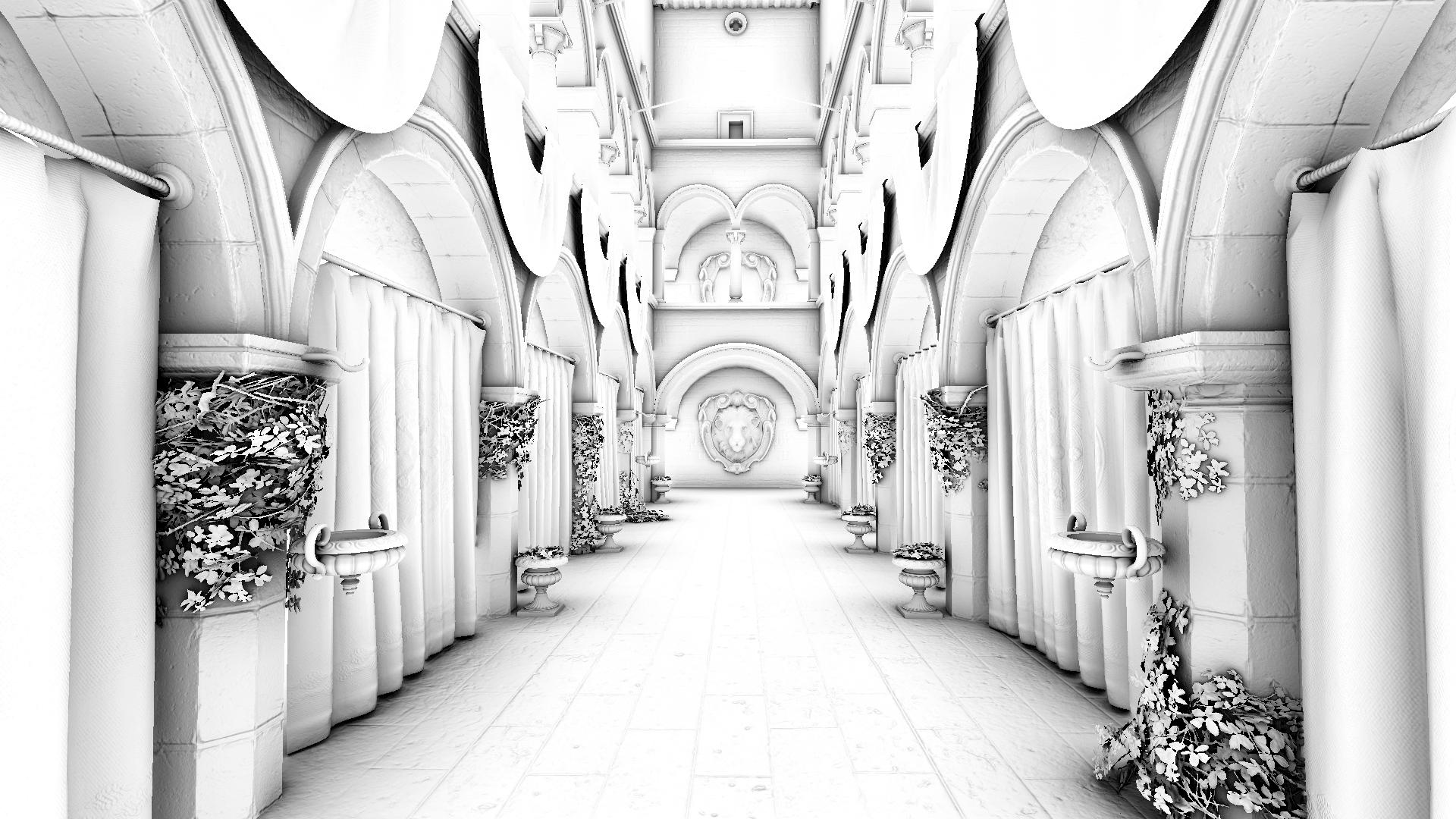
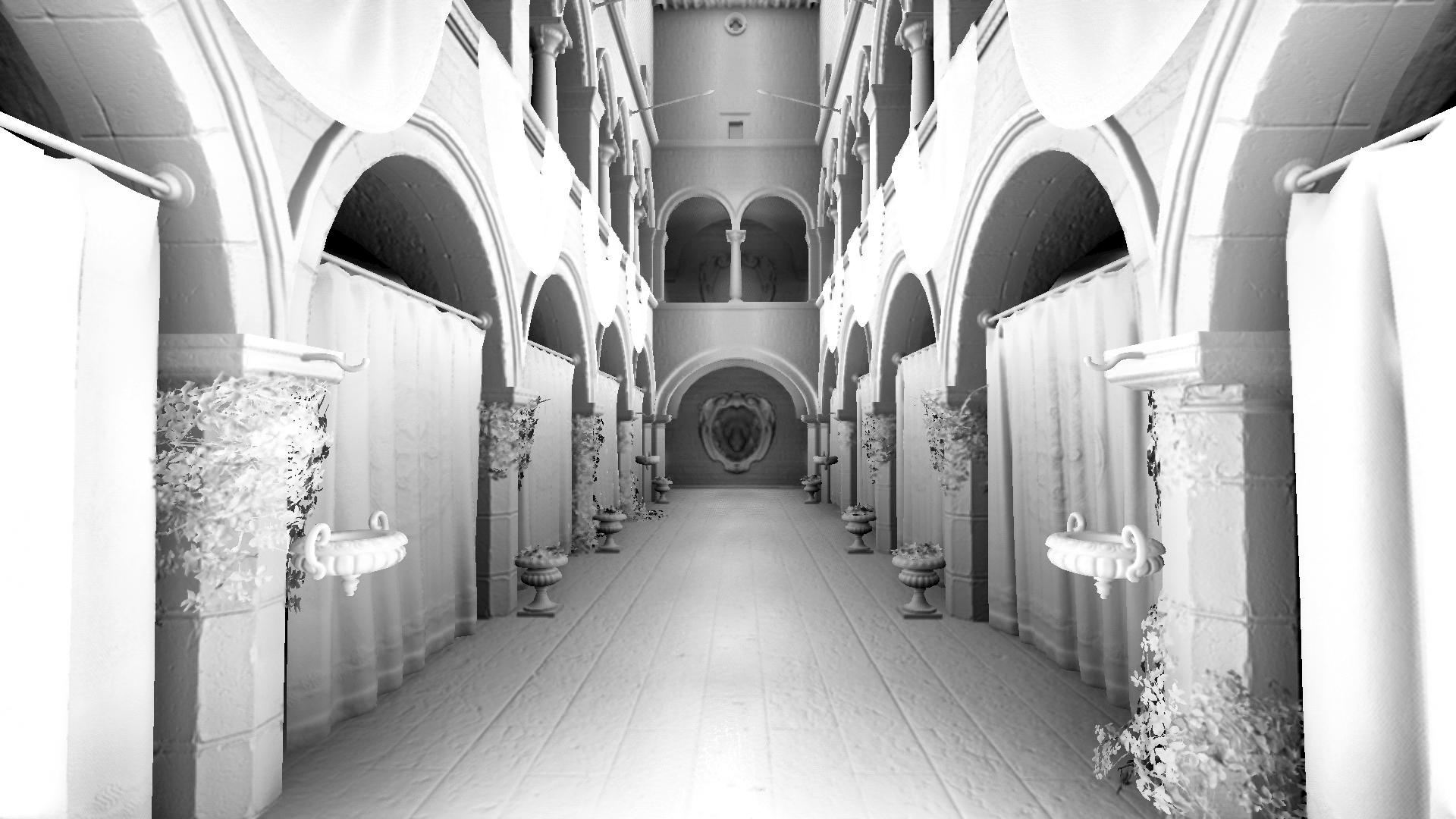
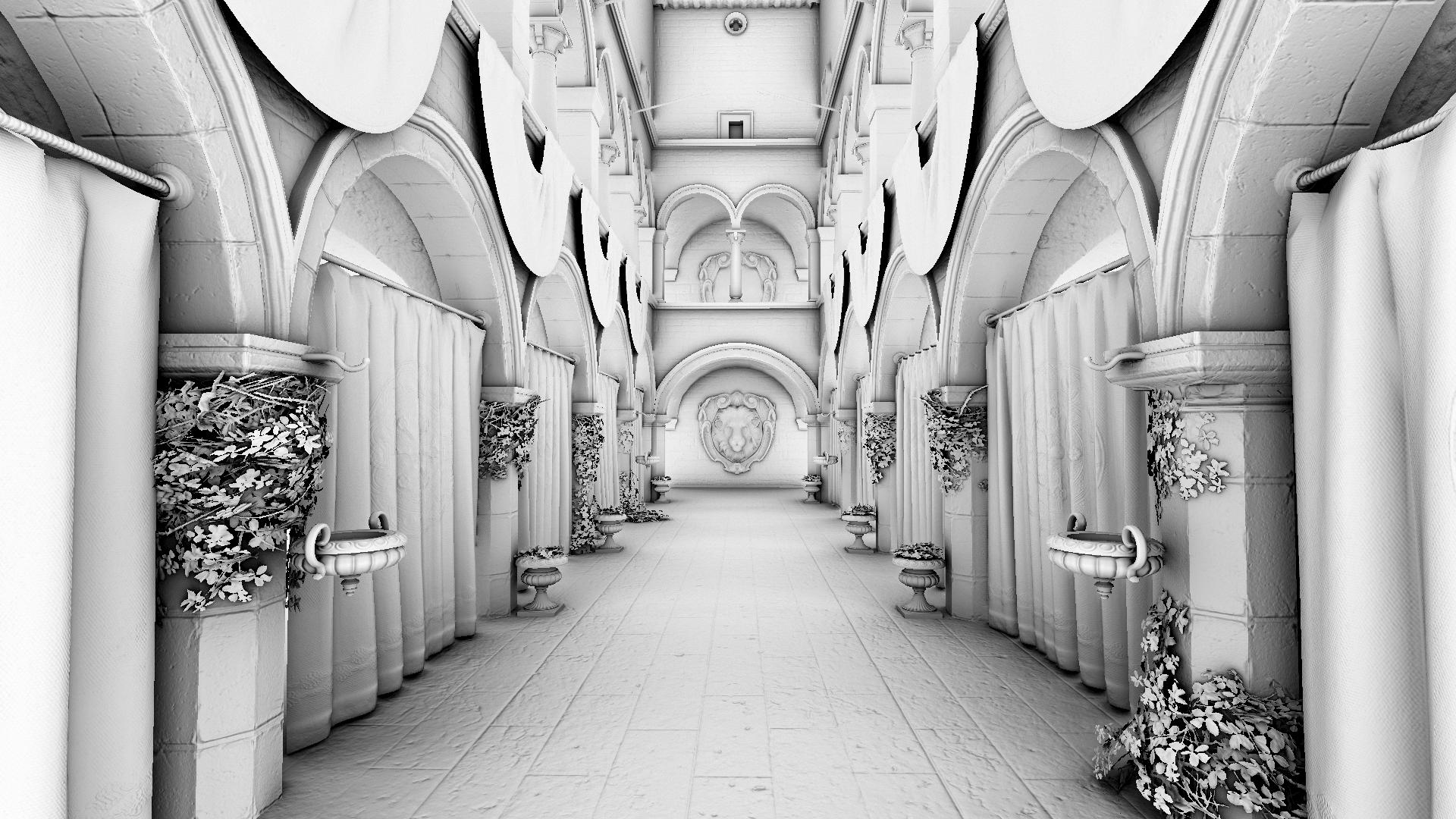
In the following screenshots, pay attention to small details: round curtains, alpha-cutout vegetation, and normal maps. As you can see, HDRP GTAO detail takes a particularly hard hit as its radius increases. Indeed, the official documentation warns that "Be aware that a higher distance (radius) value often produces a lower quality result." HTrace GTAO is much less susceptible to this issue and retains small details even with a large radius.
The quality gap is further widened by the difference in spatial denoising approach. HTrace GTAO provides explicit controls over the filter to balance detail preservation with noise reduction, while HDRP GTAO uses a simpler approach with less attention to detail and more visual artifacts.
Resolution Scaling and Upscaling
Unlike HDRP GTAO, which offers only a Full Resolution enable/disable option, HTrace GTAO features 3 different resolution modes: Full, Half, and Quarter, for more fine-grained performance control. On top of that, it provides a sharp and optimized upscaler for interpolating from any of these resolutions to the final target. This makes it more viable to render the effect at a lower resolution and then upscale it, retaining as much detail as possible.
Additional Features
Here is the list of most notable features HTrace GTAO offers that are not present in HDRP's GTAO implementation: